
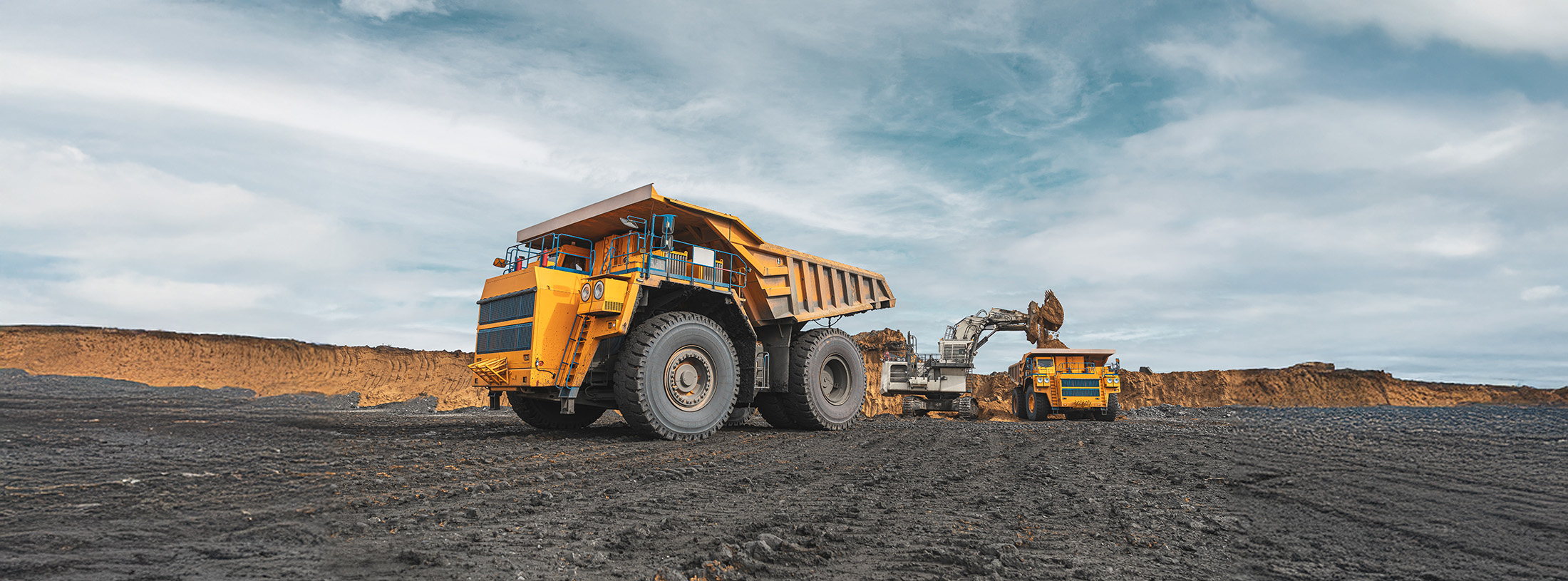
The mining industry plays a vital role in the global economy, supplying essential resources that power renewable energy, modern infrastructure, and advanced technologies. As demand rises for critical minerals such as copper, lithium, and nickel, mine owners and operators who anticipate and adapt to emerging trends are well positioned to unlock long-term, sustainable growth.
Here’s a closer look at four trends reshaping the mining industry, and how to prepare for the opportunities and challenges they present.
1. Accelerating Digital Transformation in the Mining Industry
Mining companies are accelerating their adoption of digital technologies, recognizing their potential to improve efficiency and drive innovation. From AI-powered mineral discovery to real-time financial management to predictive maintenance, digital tools are reshaping operations.
The global smart mining market is projected to grow to USD 29.40 billion by 2032, exhibiting a CAGR of 9.39% during the forecast period, according to an October 2025 article by Fortune Business Insights. Big data analytics, wireless technology, and advancements in industrial automation solutions are key reasons for growth, according to the article.
Why It Matters
Real-time data analysis, machine learning, and automation are enabling miners to operate more efficiently while boosting productivity. Digital tools offer real-time financial insights, improve resource allocation, and maximize profitability, helping the miners remain competitive.
How to Prepare
- AI Integration: Leverage GenAI and machine learning tools to optimize workflows and analyze operational data.
- Seamless Core Solution: Implement an enterprise resource planning (ERP) solution (such as SAP Cloud ERP) tailored to mining, with better reporting, financial management, capital project tracking, supply chain optimization, and asset management.
- Mobilize the Workforce: Deploy mobile applications to allow access to critical business information in the field and enable data processing at the point of work for more accurate real-time reporting. Enable offline data capture where the workforce has no connectivity.
- Streamline Equipment Maintenance: Equip field teams with immediate access to maintenance work orders and digital parts catalogs to ensure quick turnaround on repairs and servicing, reducing equipment downtime.
Digital transformation is a critical driver of operational efficiency and long-term resilience. Companies that fail to embrace digital mining technology risk lagging behind competitors.

2. Attracting Investors to Meet Capital Requirements
Setting up and maintaining a mining operation requires significant upfront investments in infrastructure, machinery, and manpower. These high capital requirements, paired with long lead times before profitability, make funding a persistent challenge, especially for junior miners.
Why It Matters
Without adequate funding, junior miners risk stalling projects. Mining is capital-intensive, which means reliance on external investors is essential, but attracting and retaining them requires meticulous financial planning, transparency, and operational discipline.
How to Prepare for Next-Level Mining Technology
- Invest in ERP Solutions: Make sure you have the right ERP solution to automate financial processes, improve reporting accuracy, and provide real-time insights into cash flow and resource allocation.
- Enhance Transparency: Build trust with investors by presenting detailed forecasts, accurate financial tracking, and evidence of compliance with regulatory standards.
- Leverage Digital Tools: Use AI and data analytics to optimize operations, reduce costs, and improve efficiency, making projects more attractive to investors.
By addressing capital challenges, mining companies can secure the funding needed to launch and sustain operations while positioning themselves for long-term success in the competitive mining landscape.

3. Building Supply Chain Resilience and Traceability
Global mining supply chains are under increasing strain from fluctuating demand, geopolitical tensions, and transportation bottlenecks. These disruptions expose vulnerabilities in material sourcing, logistics, and supplier visibility challenges amplified by growing traceability and sustainability expectations.
Why It Matters
A resilient supply chain ensures operational stability. Mining companies with end-to-end visibility can anticipate disruptions, reroute materials, and maintain production schedules while also responding quickly to evolving regulatory or environmental standards.
How to Prepare
- Enterprise Visibility: Connect procurement, logistics, and production data in real time with Cloud ERP for a single source of truth.
- Predictive Insights: Use AI and analytics to identify potential supply disruptions and optimize procurement strategies.
- Logistics Optimization: Streamline transport and inventory logistics using real-time data to reduce delays and costs.
- Automation of Supply Workflows: Automate approvals, purchase orders, and inventory updates to reduce manual effort and errors.
By building supply chain resilience, mining companies can minimize downtime, mitigate costs, and maintain continuity even in uncertain global conditions.
4. Maintaining a Skilled Workforce
The mining industry is grappling with a shortage of qualified, well-trained employees, particularly in roles like geologists, planners, and engineers. Recruitment is slow, and internal teams are stretched thin, often taking on extra responsibilities without compensation.
Why It Matters
A strong workforce is required for efficient and successful mining operations, now and into the future.
How to Prepare
- Become a Tech-Savvy Workplace: To attract younger workers who expect to use the latest technology, consider AI tools that match what they are using in their everyday lives (such as voice commands).
- Upskilling Programs: Invest in workforce training to equip employees with digital expertise and sustainability knowledge.
- Automation Support: Use AI and automation to reduce repetitive tasks while ensuring human oversight for complex processes.
By addressing workforce challenges, companies can attract and retain a resilient team capable of managing both current and future mining demands.
Taking the Next Step in the Mining Industry
The mining industry is evolving rapidly. Mine owners and operators who proactively address these trends with the right planning and technology will be the best positioned to thrive in this dynamic landscape.
That’s where Cloud ERP comes in. Modernizing your ERP will help you meet many of these challenges. And cloud-based ERP deploys faster than traditional on-premises systems and at a lower cost, with no disruption to operations.
A modern cloud ERP, such as SAP Cloud ERP, delivers measurable business value through enhanced security, scalability, reliability, performance, and cost efficiency. Its end-to-end integration unifies business processes, connecting everything from operations, to finance, to production in a single, cohesive system.
How Syntax Can Help
Syntax has more than 25 years of experience working with mining companies to implement and manage the SAP technologies needed to improve all aspects of their operations, including:
- Steering through SAP Cloud ERP adoption, seamless integration with existing systems, and ongoing performance management.
- Automating processes and data in SAP Cloud ERP across General, Finance, Warehousing, Procurement, Maintenance, and Projects (Capital) for greater visibility, productivity, cost control, and compliance.
- Embedding innovation into SAP Cloud ERP and delivering tangible transformation results through AI.
We work in partnership with SAP, who has been serving the mining industry for over 50 years.

Author

Michelle Smith
Vice President, Global Mining Practice, Syntax
With more than 25 years of experience, Michelle leads teams and engages stakeholders in mining technology solutions to streamline systems, boost process efficiency, grow the business, and reach operational excellence. She brings broad operations knowledge, business and finance training to the IT function for mining customers.